§1.4 Network Security
What are the threats to computer systems — and what layered defences counter each one?
Security is always an arms race: every attack has a defence, every defence has a bypass. The OCR spec frames §1.4 around this pairing — knowing each form of attack (how it works, what the attacker wants) and the corresponding prevention method. The most effective defences are layered: a firewall stops external intrusion, encryption protects data in transit, access levels limit what an authenticated user can reach, and anti-malware catches anything that slips through.
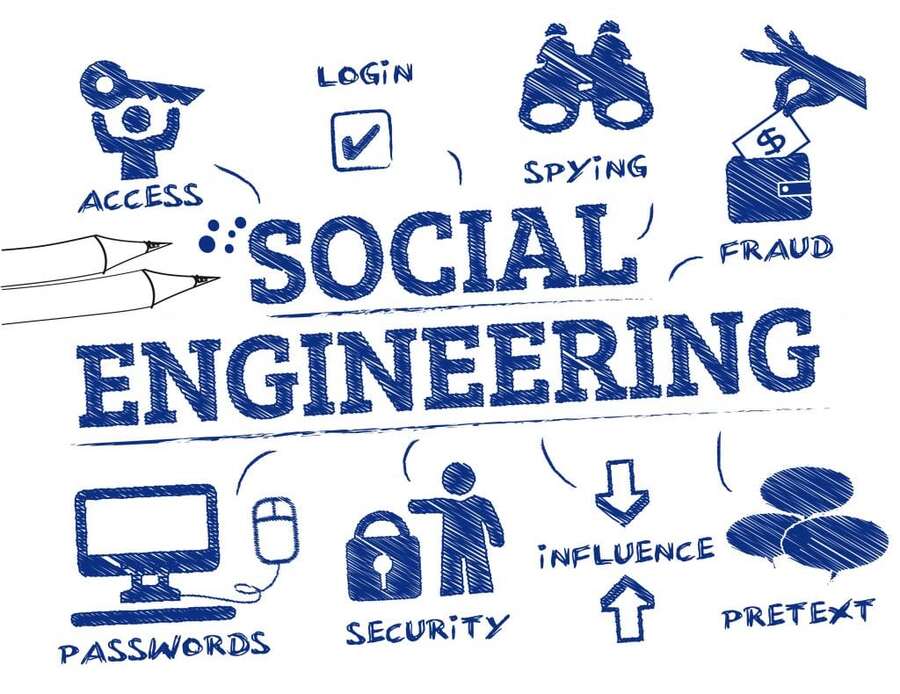
Humans are often the weakest link. Social engineering — tricking users into revealing passwords or clicking malicious links — bypasses technical defences entirely. This is why training and authentication controls matter as much as firewalls. SQL injection attacks target databases through poorly-validated inputs: an attacker enters SQL code into a form field, and if the input isn't sanitised, the database executes it as a real query, potentially exposing or deleting all the data.
Attack ↔ Defence pairing
What students must understand
- Malware: software designed to damage, disrupt, or gain unauthorised access; includes viruses, ransomware, spyware, trojans
- Social engineering: exploiting people, not systems; phishing = fraudulent emails/messages to obtain credentials
- Brute force: systematically trying all possible passwords or keys until one works
- Denial of Service (DoS): flood a server with requests so it cannot serve legitimate users
- Data interception and theft: capturing data as it travels across a network (e.g. unencrypted Wi-Fi)
- SQL injection: malicious SQL entered into an input field is executed by the database; can expose, alter, or delete data
- Penetration testing: authorised simulated attacks to identify vulnerabilities before real attackers do
- Anti-malware: scans for and removes malicious software; must be kept up to date
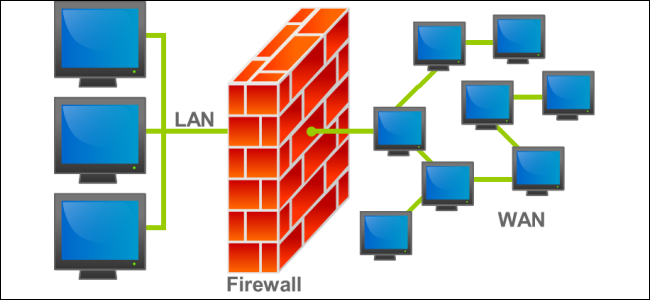
- Firewalls: monitor and filter incoming/outgoing traffic based on rules; block unauthorised access
- User access levels: limit what each user can read, write, or delete; principle of least privilege
- Passwords: strong (long, mixed characters); changed regularly; never shared
- Encryption: scrambles data in transit so interceptors cannot read it
- Physical security: locked server rooms, CCTV, secure devices — prevents physical access to hardware
Diagrams

Diagrams: PG Online (Paul Long), OCR J277 textbook. Used under the school site licence.
Linking questions
- How does encryption work in the context of network protocols (HTTPS)? → §1.3 Networks
- How does input validation connect to defensive programming? → §2.3 Producing Robust Programs
Practice
- §1.4 Network Security practice questions — 2 printable question sets from the PG Online textbook pack