§1.6 Ethical, Legal, Cultural and Environmental Impacts
How has digital technology changed society — and what laws govern its use?
Technology does not exist in a vacuum. Every digital system has consequences — for individuals, organisations, and the planet — and those consequences spread across five categories: ethical (what is right), legal (what is permitted), cultural (how societies and behaviours change), environmental (the physical cost of computing), and privacy (how personal data is collected and used). The OCR exam's 8-mark extended-response question most often lands here — and it rewards balanced argument, not one-sided lists.
UK law sets hard limits. The Data Protection Act 2018 governs how personal data must be collected, stored, and used. The Computer Misuse Act 1990 criminalises unauthorised access to computer systems. The Copyright Designs and Patents Act 1988 protects creators from having their work copied without permission. Software licences add a further layer: open-source software makes the source code freely available; proprietary software keeps it locked. Each model has genuine advantages and disadvantages, and the exam asks students to recommend one for a described scenario.
The three Acts — one line each
What students must understand
- Five impact categories: ethical, legal, cultural, environmental, privacy — with examples for each
- Ethical: algorithmic bias, AI decision-making, surveillance, digital divide
- Legal: copyright infringement, hacking, data misuse — and the three named Acts
- Cultural: social media changing communication, misinformation, remote work, screen time
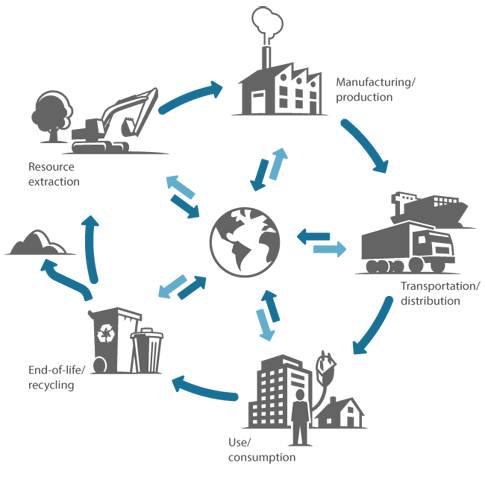
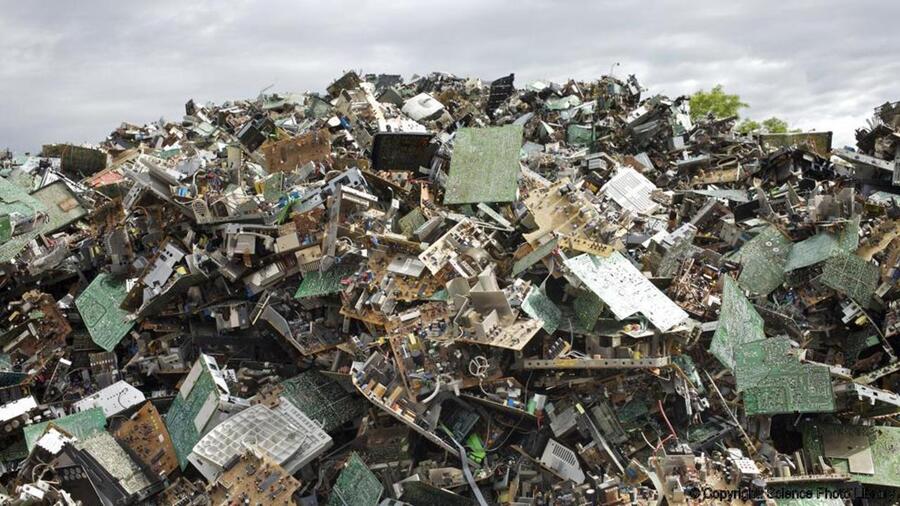
- Environmental: energy consumption of data centres, e-waste, carbon footprint of devices
- Privacy: data collection by apps and platforms, tracking, surveillance cameras, GDPR
- DPA 2018: 8 principles for handling personal data; organisations must have a lawful basis for processing
- Computer Misuse Act 1990: three levels of offence — unauthorised access, unauthorised access with intent to commit further crimes, unauthorised modification
- Copyright Act 1988: protects software, music, images, writing; violation = infringement; open-source is an alternative legal model
- Open-source licence: source code is publicly available; free to use, modify, and share; anyone can contribute
- Proprietary licence: source code is closed; users pay to use the software; company controls updates and features
- Recommend a licence type for a scenario: open-source suits community projects, schools, tight budgets; proprietary suits commercial software needing IP protection and dedicated support
Diagrams
Diagrams: PG Online (Paul Long), OCR J277 textbook. Used under the school site licence.
Linking questions
- How does the Computer Misuse Act relate to network attacks? → §1.4 Network Security
- How does the Copyright Act affect software licensing in the context of programming? → §2.5 Languages and IDEs
Practice
- §1.6 Ethical, Legal, Cultural and Environmental Impacts practice questions — 4 printable question sets from the PG Online textbook pack